
Guide santé
Hernie discale lombaire : symptômes, et quand consulter un neurochirurgien
2026-06-13 · 5 min de lecture · Équipe Dr. Akşan
La plupart des maux de dos ne sont pas une hernie, et la plupart des hernies ne s’opèrent pas. Les signes qui ne doivent pas attendre.
"Herniated disc" is one of the most common — and most misunderstood — diagnoses in spine care. Two facts frame everything else: most back pain is not caused by a hernia, and most hernias do not require surgery.
What a disc hernia is
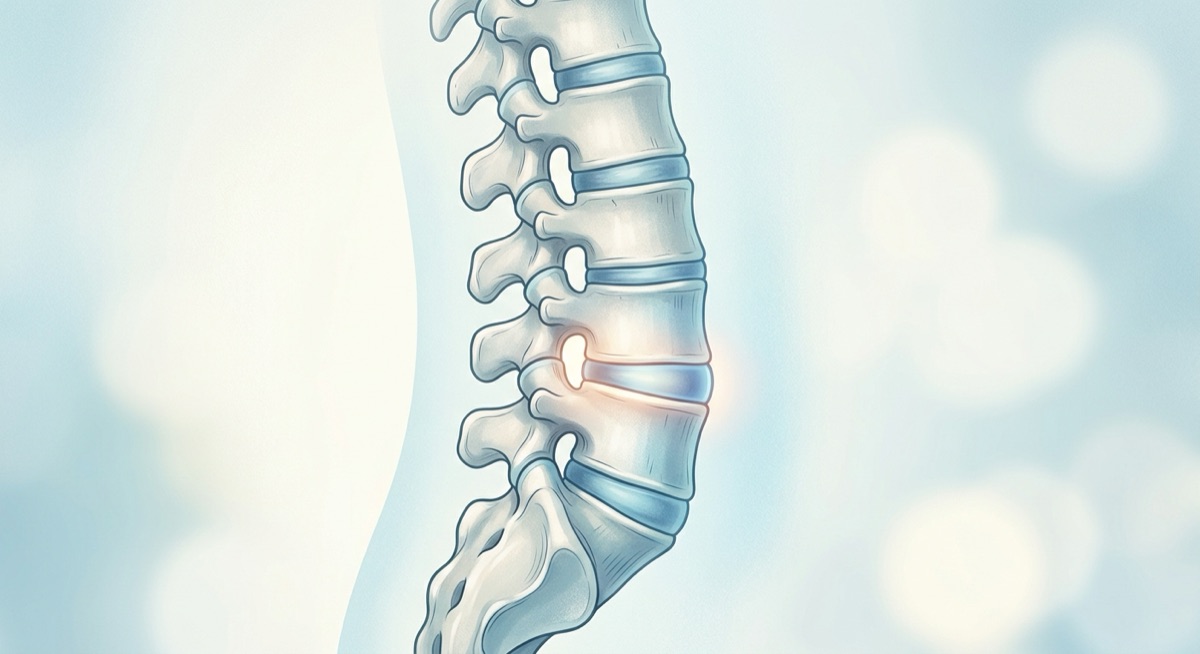
Between the vertebrae sit discs that act as cushions. When a disc's outer ring weakens, its inner core can bulge or leak out (herniate) and press on a nearby nerve root. In the lower back, that pressure classically causes sciatica — pain radiating from the lower back or hip down the leg, sometimes with numbness or tingling in the foot.
Symptoms that suggest a hernia rather than simple back pain
- Leg pain that is worse than the back pain itself
- Pain following a line down the leg, often below the knee
- Numbness or tingling in a specific area of the leg or foot
- Pain triggered by coughing, sneezing or sitting
What usually happens first
Many hernias improve over weeks with conservative care — activity modification, physiotherapy, medication prescribed by a doctor. Surgery becomes a serious conversation when severe symptoms persist despite proper conservative treatment, or when neurological deficits appear.
See a doctor promptly if you notice
- Progressive weakness in the leg or foot (e.g. foot drop)
- Numbness in the groin/saddle area, or loss of bladder or bowel control — this is an emergency
- Severe pain that does not respond to anything
The honest summary
An MRI plus an honest specialist review tells you which group you are in. Asking that question early costs little; ignoring red-flag symptoms can cost a great deal.
This article is general information, not medical advice. Every case is different — please discuss your own situation with a qualified specialist.