
Guide pratique
Comment fonctionne un second avis à partir de votre IRM ?
2026-06-08 · 4 min de lecture · Équipe Dr. Akşan
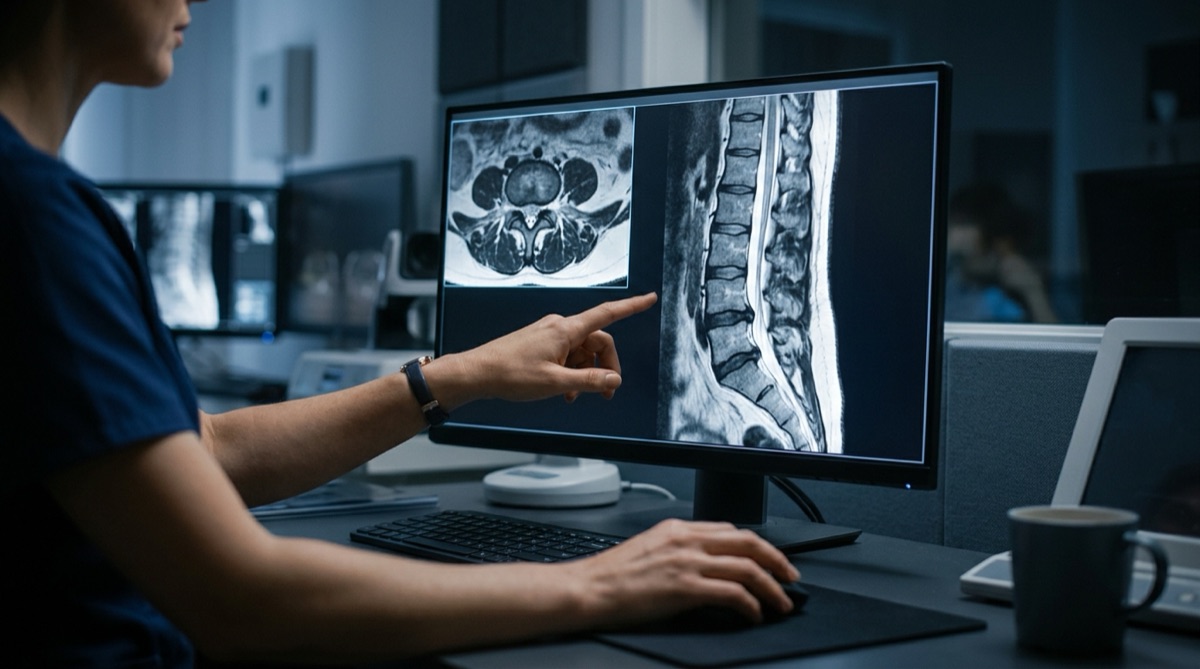
Avant tout voyage, votre imagerie répond à la vraie question : l’opération est-elle nécessaire ? Le processus, étape par étape.
The most important question in spine care is not where to have surgery — it is whether you need surgery at all. A structured second opinion answers that before you spend anything on travel.
Step 1 — Send your images
Upload your MRI or CT through the secure upload page on this site, or send them via WhatsApp. The actual image files (DICOM, usually on a CD or as a ZIP) are far more useful than the written report alone, because the surgeon reads the images directly.
Step 2 — Specialist review
A neurosurgeon reviews your images together with your description of symptoms. The relationship between what the image shows and what you actually feel is the core of the assessment — a scary-looking MRI with mild symptoms and a modest MRI with severe symptoms can lead to opposite recommendations.
Step 3 — A clear conversation
You receive a direct answer: surgery is indicated, or a non-surgical path is reasonable, or more information is needed. This happens by phone or WhatsApp, in your language, with room for your questions.
Step 4 — A written plan, only if needed
If treatment is indicated and you want to proceed, you receive a written treatment plan — and only at that point does travel planning begin.
What a good second opinion sounds like
Honest second opinions regularly conclude that surgery is not needed. If every review you get ends in "come for surgery", ask more questions.
This article is general information, not medical advice. Every case is different — please discuss your own situation with a qualified specialist.